Performance Polymers

Ultradur® RC1: Engineering Performance Meets Recycled Content

BASF is expanding its Ultradur® portfolio with new glass fiber-reinforced PBT/PET compounds containing up to 30% post-consumer recycled PET. The Ultradur® RC1 grades enable automotive manufacturers and suppliers to increase the recycled content of their components while maintaining high levels of strength, stiffness, dimensional stability and processability. 

Recycled content meets engineering performance

Ultradur® RC1 combines post-consumer recycled content with the technical properties required for demanding engineering applications. The new grades have been developed to match the properties of conventional virgin-material grades as closely as possible. Customers can therefore increase recycled content without making significant compromises in quality, processing or component performance.

Key benefits of Ultradur® RC1

  • Up to 30% post-consumer recycled PET content
  • Glass fiber-reinforced PBT/PET compounds
  • High strength and stiffness
  • Excellent dimensional stability
  • Reliable processability
  • Suitable for demanding structural applications
  • Support for recycled-content and sustainability targets 
Open lightbox

What does RC1 mean?

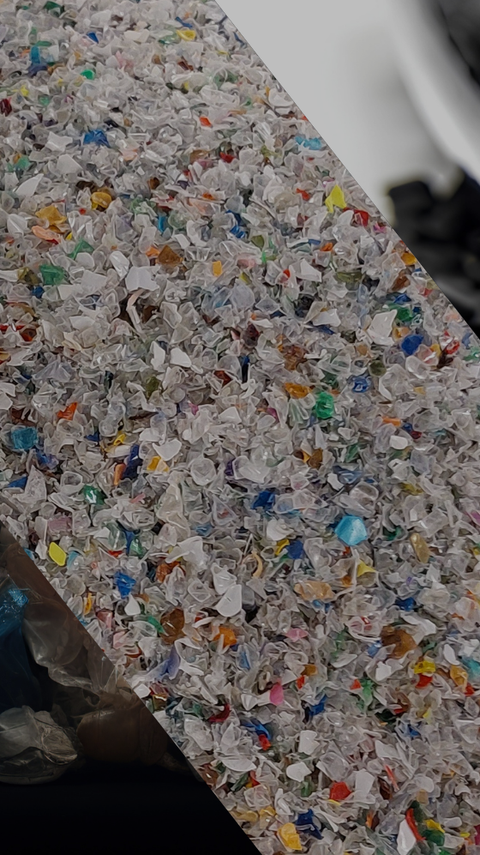
RC1 indicates the use of post-consumer recycled materials. The Ultradur® RC1 grades use recycled PET obtained from packaging waste that does not enter established bottle-to-bottle recycling streams and might otherwise be used for energy recovery. By utilizing this material in high-performance engineering plastics, BASF helps extend recycling opportunities for post-consumer PET waste.
 

Designed for demanding automotive components

Ultradur® RC1 grades have been specifically developed for structural automotive applications that require both mechanical performance and recycled content. Typical applications include:
  • Brackets
  • Housings
  • Structural parts
  • Connectors
  • Other technically demanding automotive components
The portfolio includes multiple glass fiber-reinforced variants with different reinforcement levels, allowing customers to select the appropriate material for a broad range of application requirements.

Supporting climate targets and regulatory requirements

Increasing the use of recycled materials can contribute to lowering the environmental impact associated with purchased materials. Ultradur® RC1 products can contribute companies reduce Scope 3.1 emissions while supporting automotive manufacturers and suppliers in addressing regulatory requirements for recycled content in plastic components.

FAQ

What is Ultradur® RC1?
Ultradur® RC1 is a portfolio of glass fiber-reinforced PBT/PET compounds containing post-consumer recycled PET. The grades are designed to combine recycled content with the technical performance required for demanding engineering applications.

How much recycled content does Ultradur® RC1 contain?
The new compounds contain up to 30% post-consumer recycled PET.
 
Where does the recycled PET come from?
The recycled PET is sourced from post-consumer PET packaging waste that are not returned to established bottle-to-bottle recycling streams and are frequently used for energy recovery instead.

Which applications are suitable for Ultradur® RC1?
Typical applications include brackets, housings, structural parts, connectors and other engineering components that require mechanical performance, dimensional stability and recycled content.
 
How does Ultradur® RC1 compare with virgin-material grades?
The products have been developed to match the properties of conventional virgin-material grades as closely as possible, including quality, processability and performance.
 
Can Ultradur® RC1 support Scope 3 emission targets?
According to the product information, Ultradur® RC1 can help companies reduce Scope 3.1 emissions by increasing the use of post-consumer recycled materials.