Performance Polymers

Compounds, Masterbatches and Additives made of Elastollan® TPU
 

What are TPU-based compounds?

TPU can be used as polymer modifier or blend partner in other polymers. It could also serve as carrier material for functional additives as well as processing and color masterbatches.

TPU Elastollan® masterbatches are concentrates for BASF's Elastollan® thermoplastic polyurethane (TPU) products, used to color Elastollan®, improve processing, and enhance properties such as abrasion resistance, tailored aesthetics and haptics, and application-specific compliance. These TPU-based masterbatches ensure compatibility, preventing issues like poor pigment dispersion or poor surface finish that can occur with non-Elastollan® -based alternatives.

Benefits

  • Coloring: Add desired colors to Elastollan® products
  • UV Stability: Improving resistance to ultraviolet radiation
  • Blowing Agent Activation: For applications like lightweight sole manufacturing
  • Antistatic Properties: To provide long-lasting static protection
  • Crosslinking: Providing additives with crosslinking properties for some Elastollan® grades
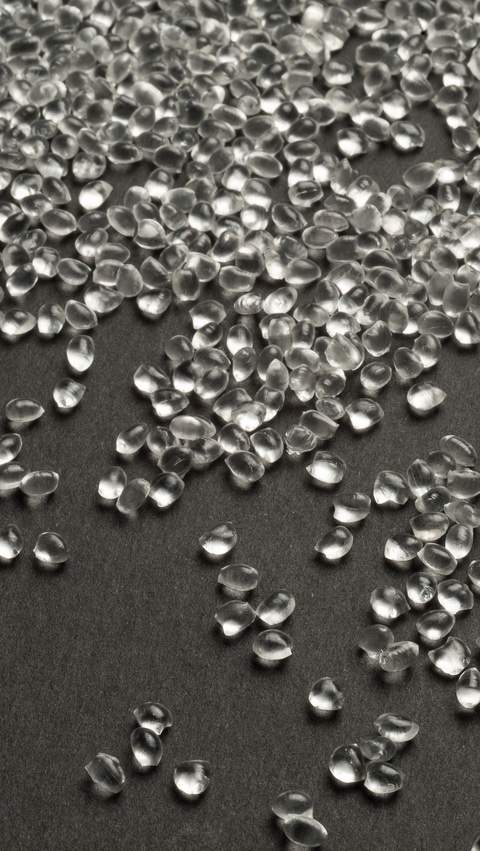
Transparent plastic pellets in a glass petri dish on a light background.

Which TPU Elastollan® Masterbatches (Elastollan® Konz.) are available?

  • Antistatic/Electrostatic Discharge (ESD)
  • Demolding and antiblocking masterbatches
  • Physical and chemical blowing additives
  • Matting agents
  • Optics brighteners
  • Crosslinkers (X-Flex®)
  • Stabilizers (UV)
  • Laser marking additives
  • Color masterbatches

Explore our TPU Elastollan portfolio for compounds and masterbatches

Range properties

Chemistry

Shore hardness

  • Excellent hydrolysis resistance
  • Cold flexibility
  • Resistance to microorganisms
  • Other UV stabilized products are available
  • Ether
  • 50 A - 75 D

Applications

Our Service Package

Discover our full range of comprehensive services with leading technologies and products—find the one that fits your needs!

FAQ ​

Q: What is a TPU Elastollan® masterbatch?

An Elastollan® masterbatch is a concentrated additive based on thermoplastic polyurethane (TPU) from BASF. It is used to modify color, performance, and processing behavior of Elastollan® materials.

Q: What is TPU and why is it used with masterbatches or compounds?

Thermoplastic polyurethane (TPU) can be used as polymer modifier or blend partner in other polymers. It could also serve as carrier material for functional and processing concentrates as well as color masterbatches.

TPU masterbatches like Elastollan® compounds are used to tailor these properties for specific industrial applications – used to color Elastollan®, improve processing, and enhance properties such as abrasion resistance, tailored aesthetics and haptics, and application-specific compliance. These TPU-based masterbatches ensure compatibility, preventing issues like poor pigment dispersion and surface finish that can occur with non-Elastollan® -based alternatives.

Q: What are Elastollan® masterbatches used for?

  • Elastollan® masterbatches and concentrates are used to:
  • Adding colors to TPU materials
  • Optimize properties (like UV resistance or antistatic behavior)
  • Improving processing (like demolding, cycle time)


Q: Why use Elastollan® masterbatches instead of standard additives?

Elastollan® masterbatches are TPU-based, ensuring full compatibility with Elastollan® compounds. This avoids common issues such as poor dispersion, inconsistent coloring, or reduced surface quality.

Q: Can Elastollan® masterbatches improve UV resistance?

UV-stabilized Elastollan® additives protect TPU materials from degradation caused by sunlight, making them suitable for outdoor and automotive applications.

Q: Are Elastollan® masterbatches suitable for lightweight applications?

Blowing agent masterbatches enable density reduction and are commonly used in lightweight designs such as footwear soles and technical components.

Q: Do Elastollan® additives provide antistatic properties?

Antistatic Elastollan® masterbatches reduce electrostatic charge buildup, improving safety and functionality in electronics, packaging, and industrial environments.